The shop notebook for turners
who learn by making
Field notes on gouge metallurgy, green-wood technique, and the eternal question of which chuck to trust. Written for weekend turners, retired woodworkers, and anyone who just found a mini lathe on sale.
Three full chapters available now — no signup required to read. The email field only appears when you're ready.
Tool Steel — What's inside the flute matters
Most turners pick a gouge by the brand on the handle. This chapter traces the metallurgy — from M2 high-speed steel to powdered-metal V10 — and explains why grind angle is inseparable from alloy choice.
Edge retention index by steel type
V10 PM holds an edge ~14% longer than standard M2 on end-grain figured maple. Worth the price for production turners.
Recommended grind angles by use
| Gouge type | Bevel angle | Steel |
|---|---|---|
| Roughing gouge | 40–45° | M2 HSS |
| Bowl gouge | 55–60° | M42 / V10 |
| Spindle gouge | 30–35° | M2 HSS |
| Skew chisel | 25–30° | Cryo M2 |
| Parting tool | 45° | M2 HSS |
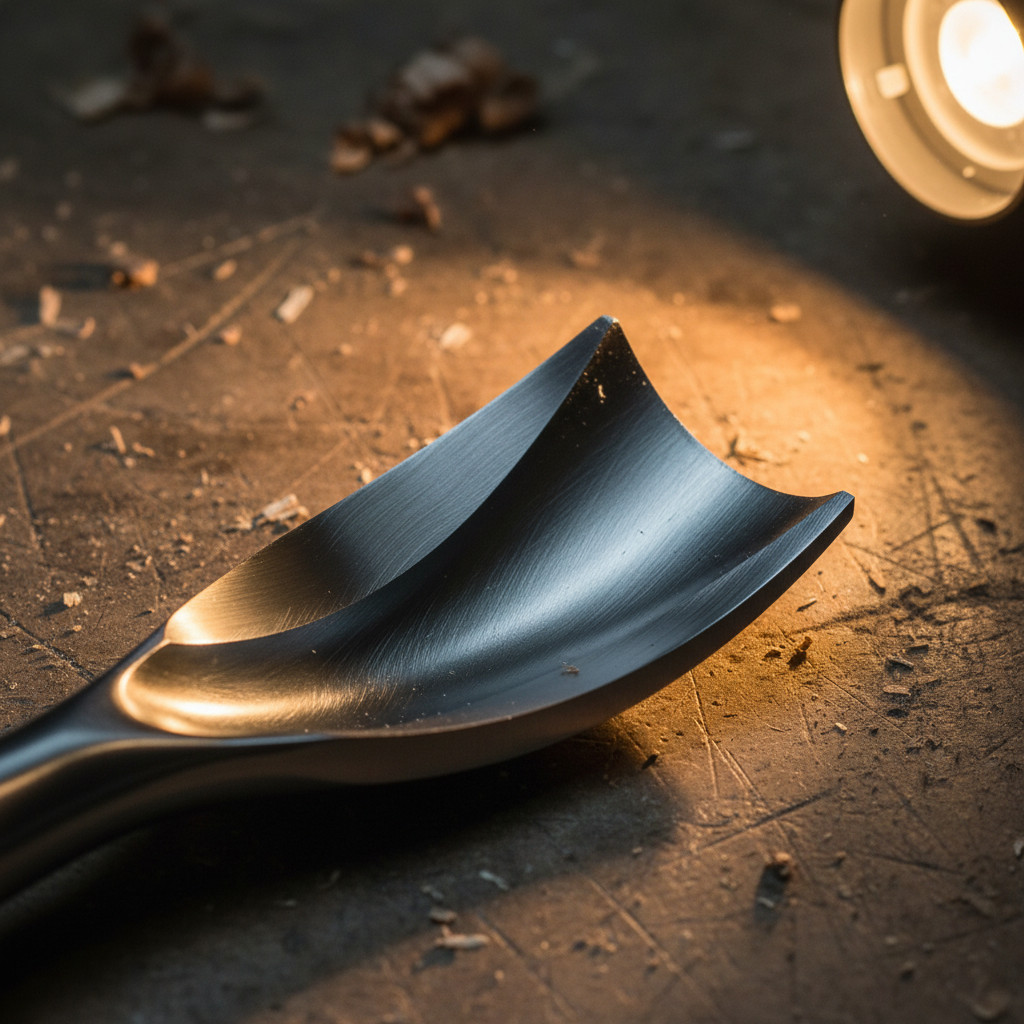
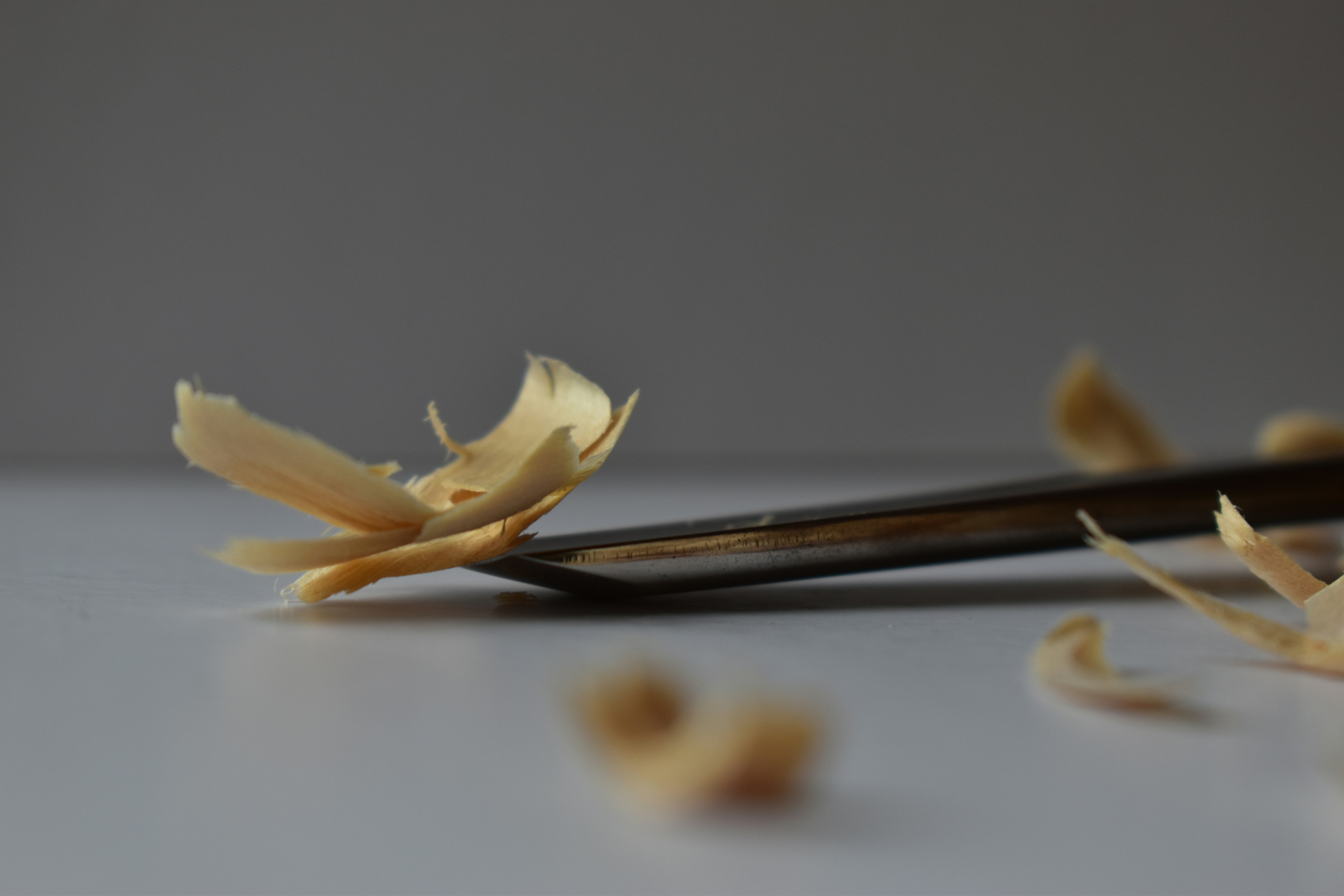
Fig. 1.2 — bowl gouge flute, 55° bevel, M42 cobalt
"The steel doesn't matter until you're fighting a catch on wet cherry at 1,200 RPM — then it matters enormously."
— margin note, chapter draft
Field test note
Ran the same 55° bowl gouge profile across M2, M42, and V10 PM on identical 8" walnut blanks. Sharpening interval doubled moving from M2 to V10. Catch recovery was noticeably more forgiving with the stiffer alloy.
Green vs. Dry — Twice-turning and why it's worth the wait
Green wood moves. That's not a flaw — it's a feature, if you understand the moisture curve. This chapter breaks down when to rough, when to rest, and how to read a blank that's ready for its final pass.
Moisture content vs. movement risk
Rule of thumb: 1" of wall thickness per week of drying, minimum. Patience here saves a cracked bowl.
The twice-turning argument
Green wood is forgiving on the tools — the moisture acts as a lubricant and the fibres compress rather than tear. Rough to a wall thickness of roughly one inch per foot of diameter, then let it breathe in a paper bag. The bowl will move — sometimes dramatically — into an oval or a potato shape. That movement is finished when you come back to it.
The second turning corrects the distortion and takes the piece to final dimension. You're working with the wood's memory rather than against it. The result: a stable form that won't check or crack on the shelf.
"Green cherry smells like a bakery and cuts like butter. Dry cherry smells like sawdust and teaches you patience."
— field note, walnut & cherry comparison test
✎ Species notes — drying behaviour
Turning sequence — rough blank to finished form
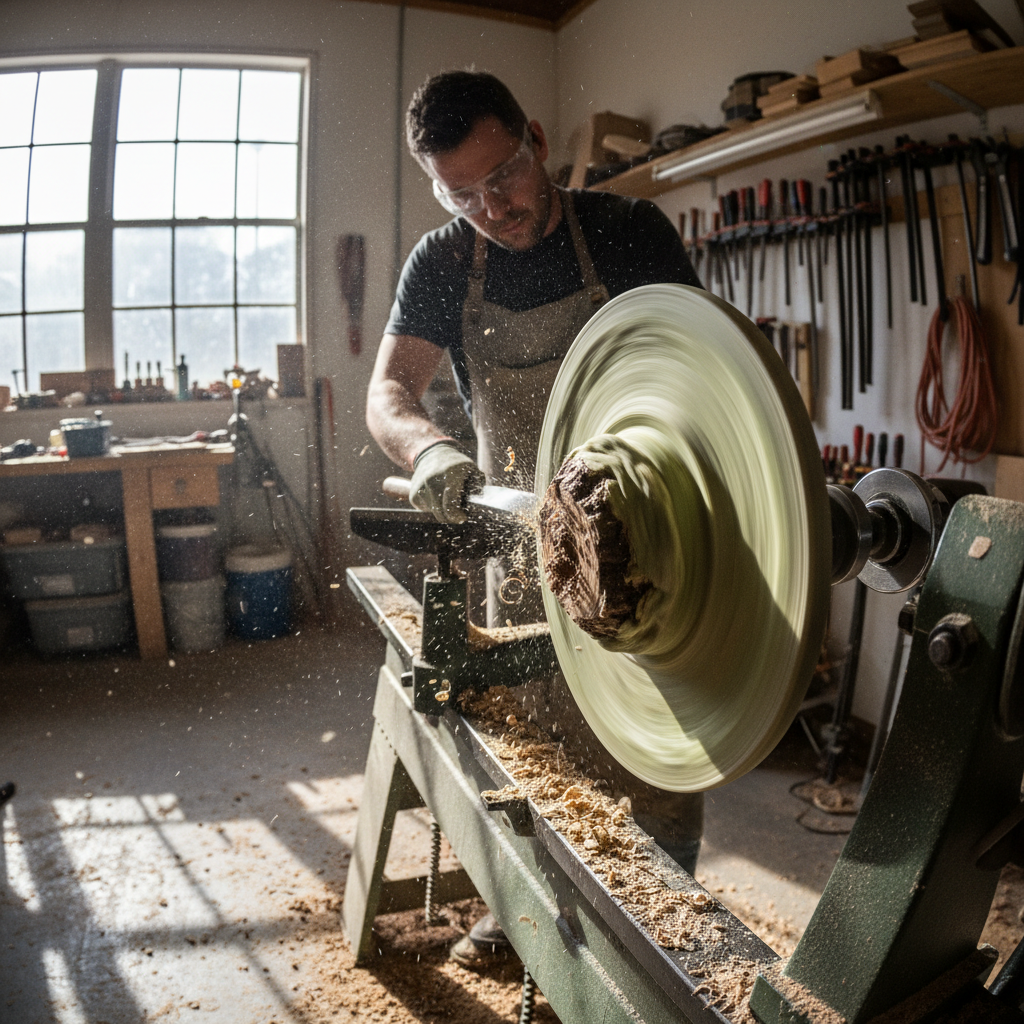
Rough at 10%MC
Wall ~1" thick
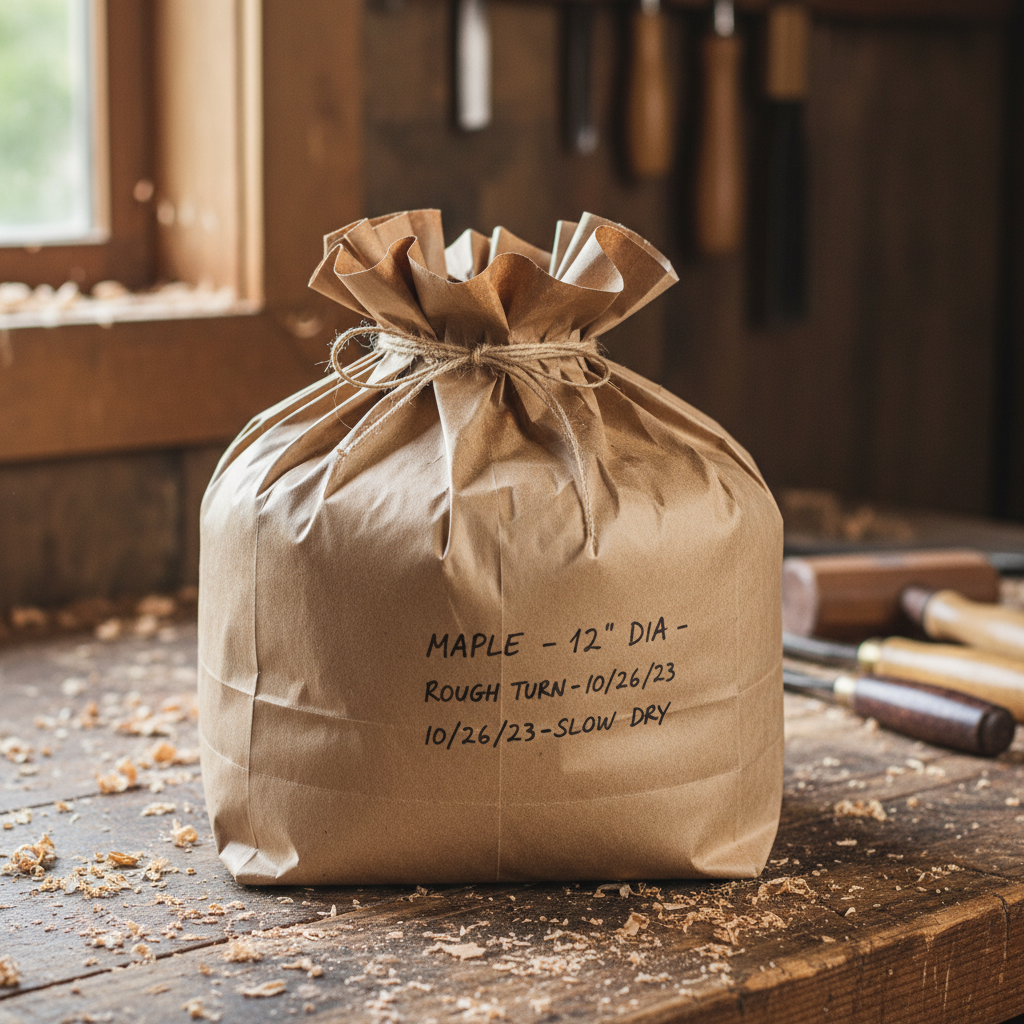
Bag for 6–8 wks
Paper bag, not plastic
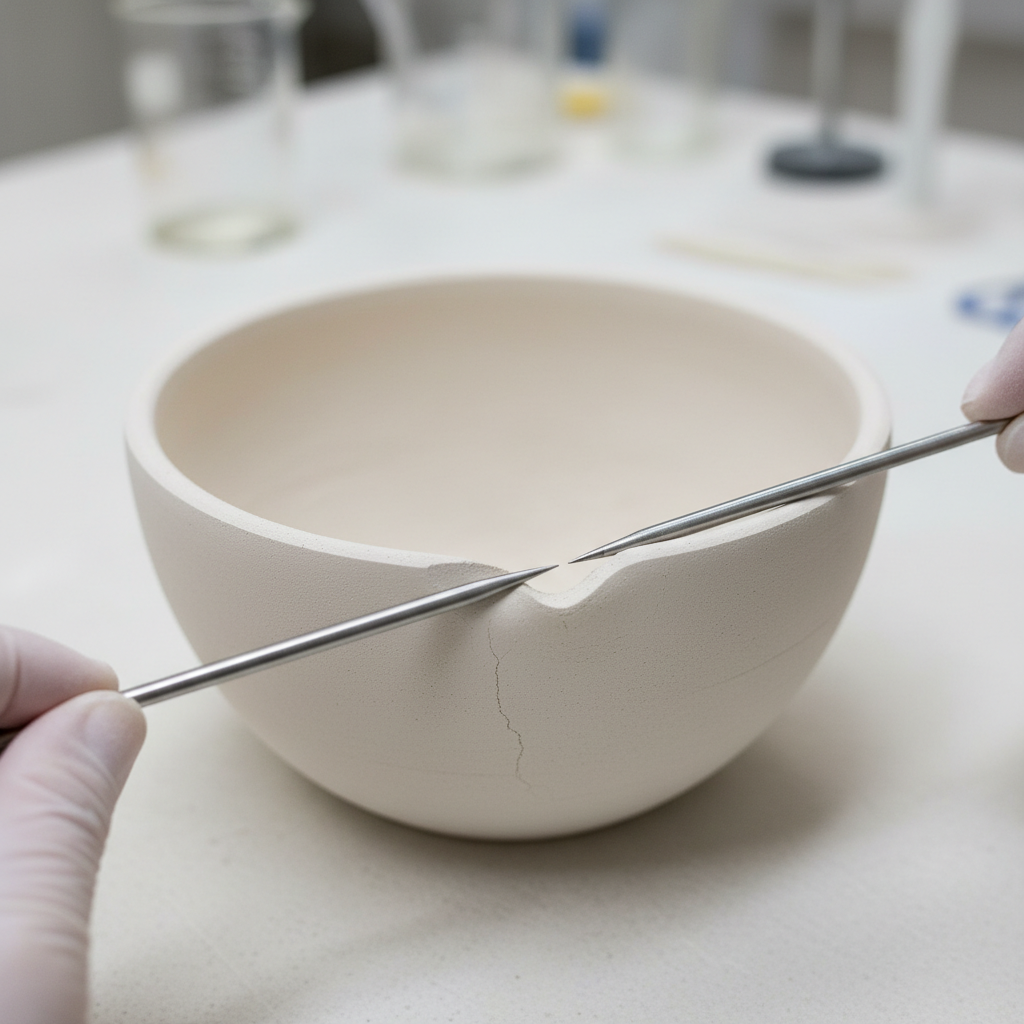
Measure movement
Expect 3–8% oval

Re-mount & true
Cole jaws or jam chuck
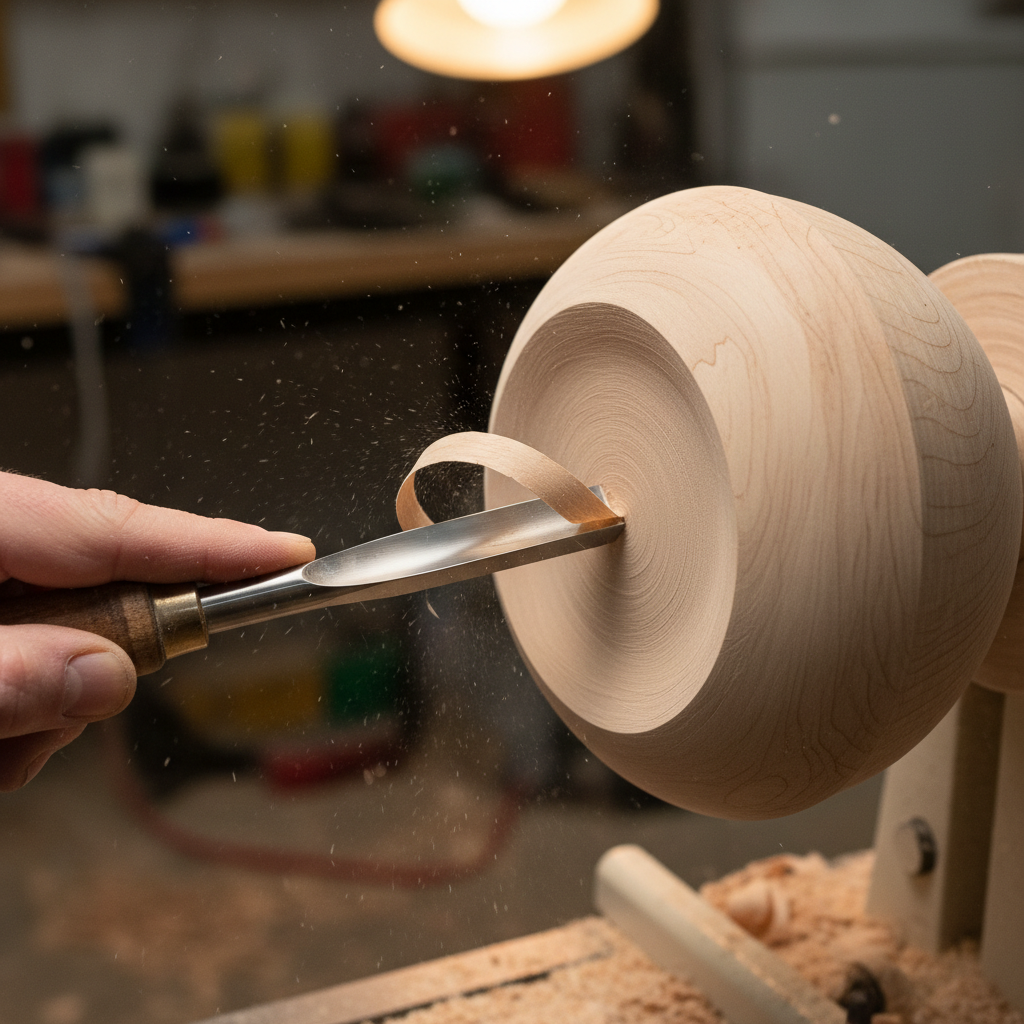
Finish cut at 6%MC
320-grit, then oil
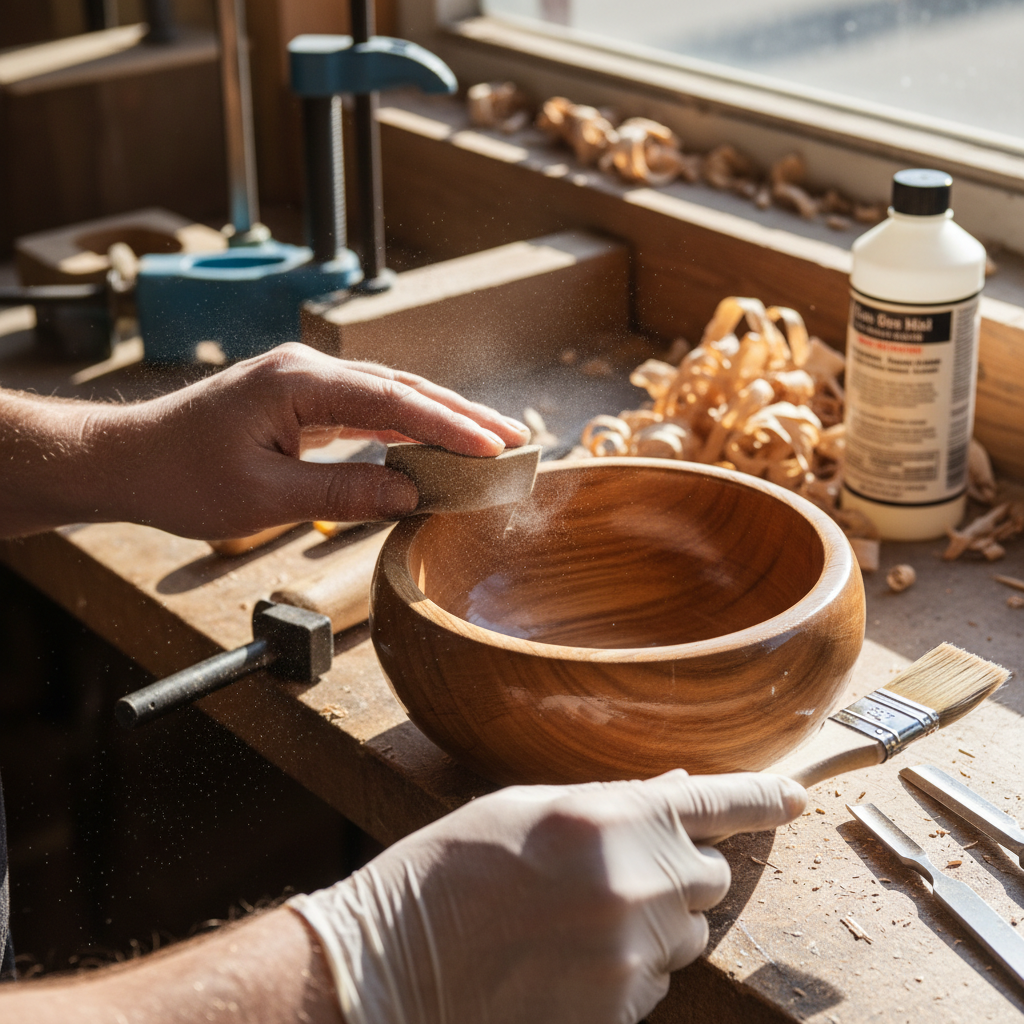
Sand sealed form
Friction polish or CA
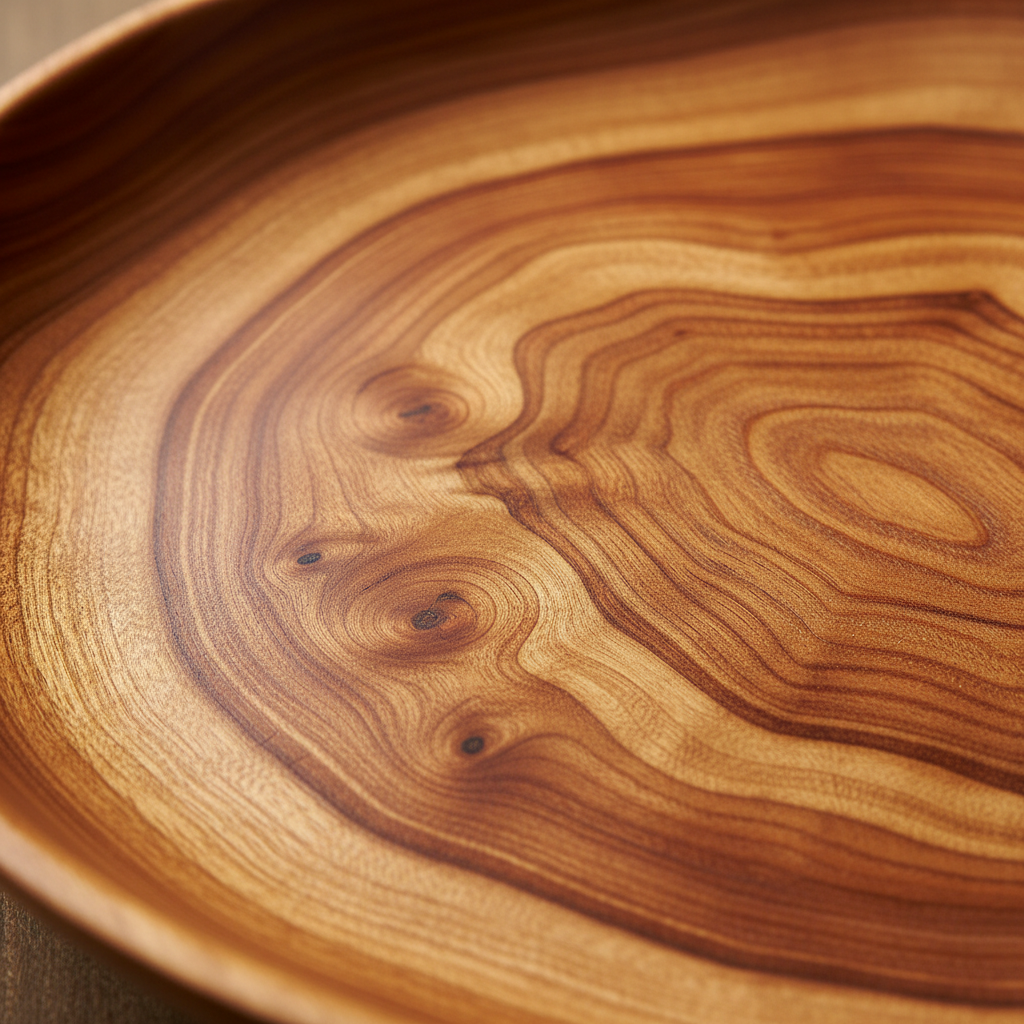
contact sheet — twice-turning workflow, 8" walnut
The Chuck Problem — How you hold it changes everything
The holding method is the most consequential decision before the first cut. This survey covers the four main systems — their strengths, failure modes, and which blank deserves which chuck.
4-Jaw Self-Centering
Advantages
- +Fast mounting
- +Secure grip on tenon
- +Adjustable dovetail jaws
Limitations
- –Tenon must be precise
- –Limited to 1.5–4" range per jaw set
The Oneway Stronghold and Vicmarc VM120 are the field-tested standards. Cheap chucks flex under aggressive cuts.
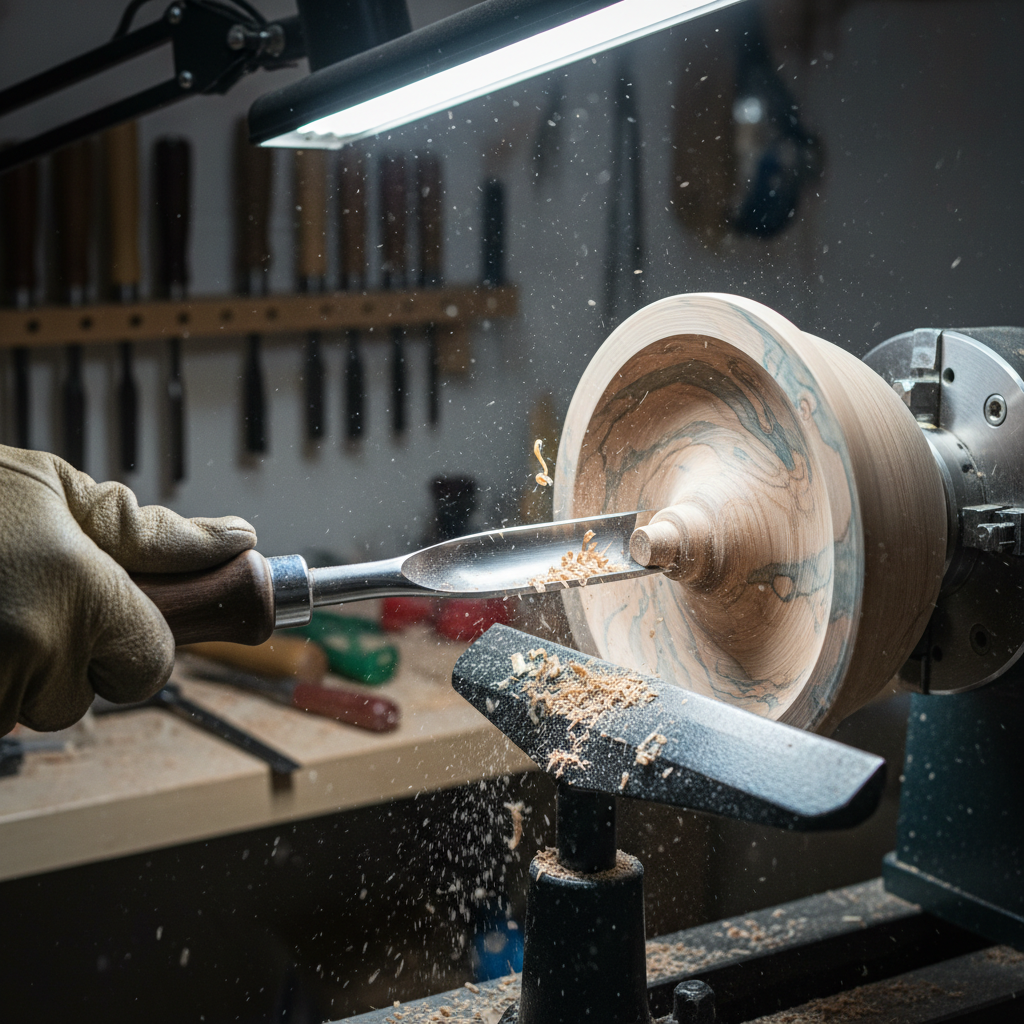
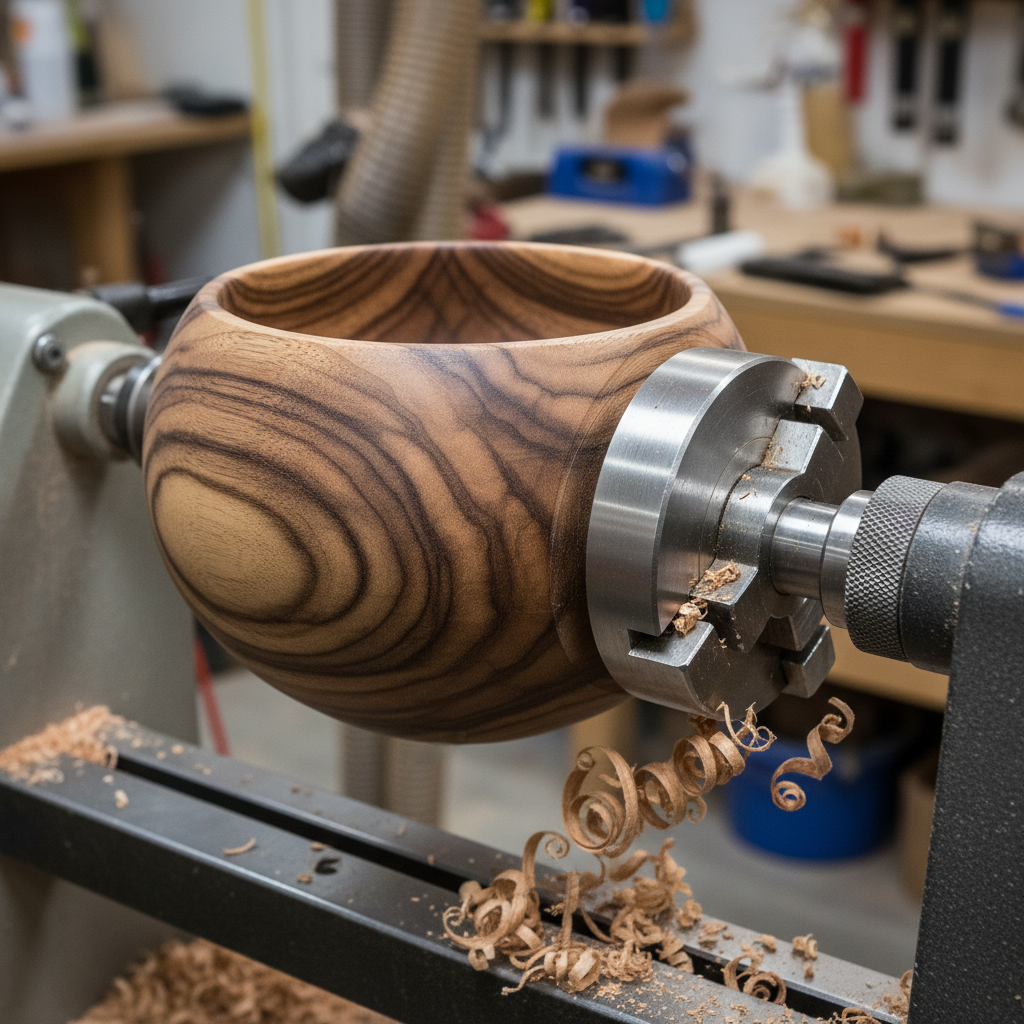
Fig. 3.1 — 4-jaw chuck with dovetail tenon
✎ Quick decision guide
Tested on
Powermatic 3520CJet 1221VSNova DVR XPRikon 70-220Robust American BeautySave me a bench
You've read three chapters. If the notebook feels like something you'd dog-ear, leave your email and we'll hold a seat when the full edition launches.
"The best turners I know all have a notebook on the bench. This is mine — I'm just leaving it open."